Home » About Us » HUAN News » Blog » Utility Planning for an IBC Tank Blow Molding Machine: Power, Cooling Water, Compressed Air, and Maintenance Space
Utility Planning for an IBC Tank Blow Molding Machine: Power, Cooling Water, Compressed Air, and Maintenance Space
Views: 1 Author: Site Editor Publish Time: 18-08-2026 Origin: Site
A machine quotation is incomplete without a utility plan
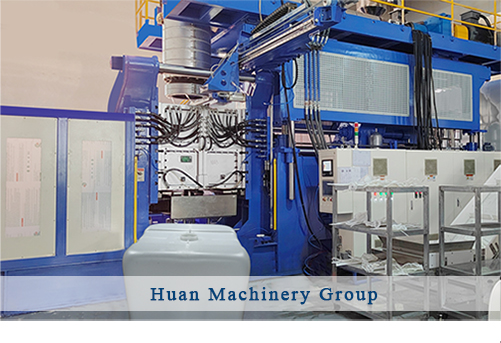
Buyers comparing an IBC tank blow molding machine often focus on machine size, layers, output, mold, and price. These items matter, but they do not decide whether installation will be smooth. A large blow molding machine is part of a factory infrastructure system. If power, cooling water, compressed air, material feeding, ventilation, lifting access, and maintenance space are not ready, the machine can arrive on time and still fail to enter stable production.
This topic is especially important for overseas buyers. The supplier may ship a capable IBC MACHINE, but local site preparation remains the buyer’s responsibility. Miscommunication about voltage, water temperature, air capacity, crane height, or floor strength can create delays that cost more than the savings from a cheaper equipment proposal.
Power supply should be planned with start-up and future expansion in mind
The electrical system must support the extrusion drive, hydraulic power, heating zones, control cabinet, auxiliary equipment, cooling devices, material handling, and lighting around the work area. Buyers should confirm voltage, frequency, phase, transformer capacity, cable route, grounding, and local electrical standards before machine shipment.
A practical power plan also considers future modules. If the buyer later adds cage welding, conveyors, automatic trimming, leak testing, or a complete assembly section, the workshop may need additional load. Asking the supplier to request a utility schedule before building preparation helps the buyer avoid undersized infrastructure.
Utility item
What to confirm
Why it affects production
Electricity
Voltage, frequency, transformer and cable route
Prevents overload, unstable heating and delayed commissioning
Cooling water
Temperature, flow, pressure and filtration
Influences cycle time and container stability
Compressed air
Pressure, flow, receiver, dryer and pipe size
Supports forming, testing and pneumatic movement
Workshop space
Ceiling, crane, maintenance routes and floor loading
Affects installation, mold change and safety
Cooling water affects cycle time and dimensional stability
Theibc blow moulding machine depends on cooling to form a large HDPE container with stable dimensions. Cooling water temperature, flow rate, pressure, water quality, and pipe design all influence cycle time and product consistency. If cooling is weak, the factory may slow the cycle, increase deformation risk, or experience unstable shrinkage.
Cooling is not only about installing a chiller. Pipe distance, insulation, filter maintenance, and local climate also matter. In a hot workshop, the chiller and cooling tower arrangement must be planned carefully. A machine supplier can recommend requirements, but the buyer must verify that the local system can deliver them continuously during production.
Preparation item
Buyer responsibility
Supplier support
Site drawing
Provide accurate workshop dimensions
Review equipment placement and clearance
Utility sizing
Prepare local infrastructure
Provide machine requirement schedule
Foundation and lifting
Confirm floor and crane conditions
Advise machine weight and handling points
Installation readiness
Prepare power, water and air before technicians arrive
Provide installation checklist and schedule
Compressed air is production air, not just a connection point
Large hollow products require compressed air for blowing and may also use air for valves, cylinders, testing devices, or auxiliary stations. Air pressure stability and flow capacity affect forming consistency. Air quality also matters because moisture or contamination can create long-term problems in pneumatic components.
Before ordering anIBC blow molding machine, buyers should confirm compressor size, air receiver capacity, dryer, filters, pipe diameter, and distance to the machine. A weak air system may allow the first few products to pass trial but fail during continuous production.
Maintenance access protects uptime after installation
Utility planning also includes space. Operators and technicians need access to the die head, extrusion system, mold area, hydraulic station, electrical cabinet, cooling connections, and material feeding equipment. If the machine is placed too close to walls or columns, daily work becomes slower and risky. Mold changing may require crane access and floor space for mold storage.
Buyers should send the plant layout with ceiling height, column position, door size, drainage, power room, compressor room, and chiller area. For an IBC production line supplier China, this information helps prevent installation surprises and allows better discussion of auxiliary equipment positions.
Problem
Likely result
Prevention
Water system is undersized
Longer cycle or unstable product cooling
Confirm cooling demand before chiller purchase
Air pipe is too small
Pressure drop during continuous operation
Size pipe and receiver for peak use
Machine placed too tightly
Hard maintenance and slow mold change
Reserve service space on all critical sides
No future utility reserve
Expansion becomes expensive
Plan for the target production line, not only first stage
Practical questions buyers should ask before paying the deposit
Before paying the deposit, the buyer should ask for a utility schedule that separates main machine demand from auxiliary demand. The document should clarify power, air, cooling water, crane, floor, and installation-space requirements. If the buyer plans a future complete line, the schedule should also show which values may change after expansion.
Local contractors should review the schedule before the machine is shipped. Many delays happen because the buyer assumes the workshop is ready while the local electrician, chiller supplier, or air-compressor supplier has never checked the equipment requirements. A short technical meeting between the machine supplier and local contractors can prevent expensive misunderstandings.
The buyer should also photograph the workshop, doors, lifting routes, foundation, compressor room, chiller location, and electrical cabinet area. These photos help the supplier identify risks that drawings may not show. For large machines, even a small difference in door height or crane route can affect unloading and installation.
After installation, utility performance should be reviewed again during trial production. Stable power, water temperature, and air pressure should be recorded together with output and product quality. If the machine fails to reach expected performance, the team can separate process issues from infrastructure issues more quickly.
Publishing note for IBC project pages
When this article is published, it should not stand alone as an isolated blog post. It should connect to the client’s IBC product pages, related production-line pages, and inquiry page through the red anchor texts already marked in the body. This internal-link path helps a reader move from educational content to equipment selection without feeling pushed too early.
The page should also include one real workshop image, one process-detail image, and one finished IBC tank or layout image. These images make the article easier to scan and help the page feel more original than competitor pages that rely only on machine parameter lists. The primary keyword, IBC tank blow molding machine, should stay in the title, introduction, one subheading if natural, and the SEO fields, but it should not be repeated mechanically.
Conclusion: utilities decide whether the machine can perform as promised
An IBC machine does not operate in isolation. Its real performance depends on the factory environment that supports it. Power must be stable, cooling must be adequate, compressed air must be clean and sufficient, and maintenance space must be practical. Buyers who discuss utilities early are more likely to achieve smooth installation, reliable trial production, and predictable output after the machine enters daily operation.