Home » About Us » HUAN News » Blog » 220L Drum Mold and Parison Programming: How to Build L-Ring Strength, Wall Balance, and Stable Handling Performance
220L Drum Mold and Parison Programming: How to Build L-Ring Strength, Wall Balance, and Stable Handling Performance
Views: 1 Author: Site Editor Publish Time: 14-08-2026 Origin: Site
The drum mold decides more than appearance
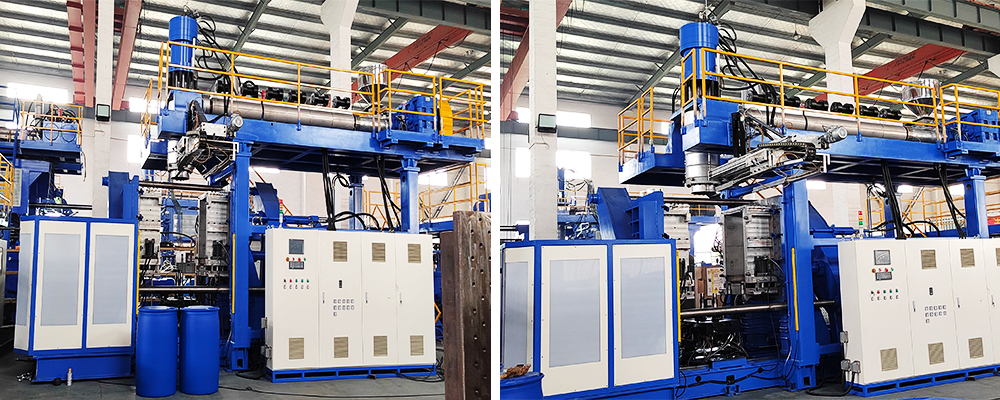
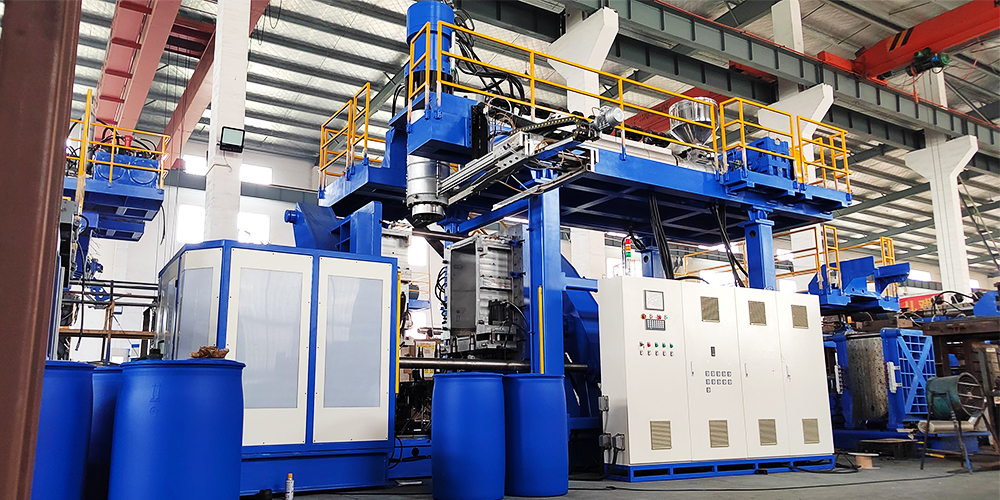
A 220L plastic drum blow molding machine is only as effective as the mold and process strategy behind it. For large drums, the mold must create stable wall distribution, strong L-ring geometry, reliable neck and closure areas, good surface quality, and dimensions that match filling, handling, and transport requirements. A good machine with a weak mold can still produce expensive quality problems.
Buyers comparing a 200L 220L drum blow molding machine should therefore discuss mold design early. The machine supplier should understand the target drum type, weight, material, top design, ring structure, stacking requirements, and application. If these details are not confirmed, the quotation may look complete but still miss the core of product performance.
L-ring strength depends on material placement
The L-ring or double L-ring structure helps the drum handle rolling, stacking, and movement. However, strength is not created simply by adding more material everywhere. The parison must deliver material to high-stress zones while avoiding unnecessary weight in lower-risk areas. Poor distribution can create thin ring edges, weak corners, or excessive cost.
An extrusion blow molding machine for 220L drum should support stable parison control. Operators need recipe repeatability, measurement points, and clear reaction rules. If the ring area becomes thin, the process team must know whether to adjust parison programming, melt temperature, cooling, or cycle timing.
Zone
Main risk
Design/control focus
L-ring
Weak handling or rolling performance
Material placement and ring geometry
Side wall
Uneven strength or appearance issue
Wall-thickness balance and cooling
Neck/closure area
Sealing and filling problems
Precision forming and trimming
Base
Stacking or floor-contact instability
Cooling and support geometry
Mold cooling affects cycle time and dimension
Large drums need enough cooling to become dimensionally stable before removal. Uneven cooling can create shrinkage differences, panel deformation, or stress concentration. Cooling channels, water flow, mold material, surface treatment, and maintenance all influence long-term performance.
A large volume HDPE drum blow molding machine may advertise strong clamping and high output, but if cooling is not designed for the product, real output may be lower. Buyers should ask how mold cooling is arranged and how cooling-water requirements should be prepared at the factory.
Review point
Why it matters
Evidence to request
Weight profile
Shows where material is intentionally placed
Wall map and sample measurements
Recipe repeatability
Protects shift-to-shift consistency
Stored recipe and trial data
Adjustment logic
Helps operators respond to defects
Supplier explanation and training notes
Material behavior
Different HDPE grades process differently
Trial material details
Drawings and samples reduce mold risk
A new drum project should not rely only on verbal description. The buyer should send your drum drawing with dimensions, neck details, weight, cap or closure requirements, handling method, and application. If the buyer has an existing sample, the supplier can review wall-thickness expectations, shape features, and possible mold adjustments.
Trial production should measure the zones that matter
During trial, do not only photograph the finished drum. Measure weight, ring thickness, body wall distribution, neck area, base area, surface quality, cooling stability, and leak-test result. If the product must serve chemical packaging, handling and closure zones deserve careful attention.
A good trial report gives the buyer confidence that the machine and mold can work together. It also creates a baseline recipe for installation at the buyer’s plant. Without baseline data, the overseas commissioning team may spend unnecessary time rediscovering what should already be known.
Drawing item
Purpose
Buyer note
Overall dimensions
Confirms mold size and handling fit
Height, diameter and ring positions
Weight target
Connects cost and performance
Nominal weight and tolerance
Closure details
Controls sealing and filling compatibility
Neck, cap and thread data
Application
Guides strength and testing discussion
Chemical, lubricant or industrial liquid
What buyers should request before mold manufacturing begins
Before mold manufacturing begins, the buyer should approve a product specification sheet. This sheet should include drawing version, target weight, material, color, neck and closure details, ring design, label or marking area, and application. Without a controlled specification, later changes may create disputes over whether the mold or the original data caused the issue.
The supplier should also explain what can and cannot be adjusted after the mold is made. Some process issues can be improved through parison programming, cooling adjustment, or trimming settings. Other shape or structural issues may require mold modification. Understanding this difference helps the buyer make careful decisions before tooling begins.
If the buyer plans several drum models, mold strategy should be discussed as part of the production plan. The factory may need different molds for closed-top and open-head products, or for different weights and ring designs. A clear mold roadmap prevents unnecessary downtime and investment confusion later.
During trial, the buyer should ask for samples from different stages of the run, not only the best sample. A stable process should produce repeatable drums over time. This evidence is more valuable than a single polished product photo.
Publishing note for drum manufacturing inquiries
This article should be published as a decision-support page for buyers comparing 200L and 220L drum equipment. The primary keyword 220L plastic drum blow molding machine should remain visible in the SEO title and early body copy, while related terms should be used naturally in tables, captions, and image ALT text. The goal is to attract commercial visitors without making the page feel like repeated keyword stuffing.
For visual support, use one mold or machine-detail image, one production-line or factory-layout image, and one finished-drum or inspection image. If the article mentions quality, testing, or traceability, place a relevant inspection photo near that paragraph. Good image placement increases user trust and gives the sales team a more convincing page to share with overseas customers.
Conclusion: mold design is a long-term cost decision
The mold is not just an accessory in a 220L drum project. It determines material use, product strength, cycle time, maintenance needs, and customer acceptance. Buyers should evaluate mold and parison programming as part of the equipment decision rather than treating them as secondary quotation details.