Home » About Us » HUAN News » Blog » 220L Drum Machine Maintenance Guide: Reducing Downtime in Large Container Blow Molding
220L Drum Machine Maintenance Guide: Reducing Downtime in Large Container Blow Molding
Views: 3 Author: Site Editor Publish Time: 29-07-2026 Origin: Site
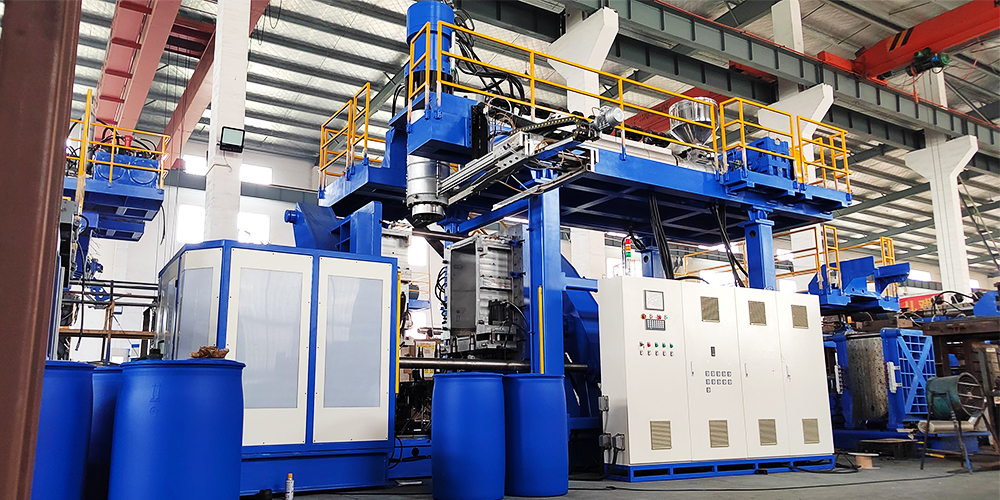
A 220L drum blow molding machine is a long-term production asset. It handles heavy parisons, large molds, hydraulic movement, high extrusion load, cooling water, trimming, and downstream handling. When maintenance is organized, the line can run with stable quality and predictable output. When maintenance is ignored, small issues can become expensive downtime, rejected drums, damaged molds, or delayed deliveries.
Maintenance should not begin after a breakdown. It should be part of the production system from the first day. A good maintenance plan covers the extrusion system, hydraulic system, mold, cooling circuit, electrical control, safety devices, trimming equipment, leak testing, conveyors, and material handling. The goal is to keep the machine producing qualified drums, not merely to repair it after failure.
Sensors, switches, contactors, HMI backup information
Extrusion stability needs routine attention
The extrusion system is central to drum quality. Screw, barrel, heaters, temperature sensors, die head, and material feeding all influence the parison. If extrusion becomes unstable, wall thickness may change, product weight may fluctuate, and surface defects may increase. Operators may notice the problem only after scrap rises.
Daily checks should include temperature stability, abnormal noise, material feeding condition, pressure changes, and signs of contamination. The team should record production settings and compare them with the approved baseline. Sudden changes in machine behavior should be investigated rather than hidden by random adjustment.
Hydraulic systems need clean oil and inspection
Large drum machines often rely on hydraulic movement for clamping and other functions. Hydraulic oil quality, filter condition, leakage, pressure stability, and temperature control affect machine performance. Contaminated or overheated oil can damage valves, pumps, and seals.
A preventive plan should define oil inspection, filter replacement, leakage checks, hose inspection, and pressure monitoring. Operators should report unusual movement, slow response, or abnormal sound. Repairing a small leak early is cheaper than stopping production because of a failed component.
Mold maintenance protects product quality
The mold shapes the drum and controls cooling. Dirt, wear, blocked cooling channels, damaged parting surfaces, or poor lubrication can create flash, deformation, surface defects, or longer cycle time. Because 220L drum molds are large and valuable, they should be handled carefully during installation and changeover.
Maintenance should include cleaning the mold surface, checking vents, inspecting cooling channels, protecting sealing surfaces, and verifying alignment. Mold storage should prevent rust and damage. If the factory uses multiple molds, each mold should have its own maintenance record.
Cooling circuits are easy to overlook
Cooling water affects both cycle time and drum stability. Scale, blockage, poor water quality, or insufficient flow can reduce cooling efficiency. The machine may then require longer cycles or produce drums that deform after demolding. In many factories, cooling problems are mistaken for machine problems.
Regular checks should include water temperature, flow, pressure, filter condition, and signs of scale. Chillers, cooling towers, pumps, and pipelines should be maintained according to the factory environment. In areas with hard water, water treatment may be necessary to protect the mold and equipment.
Trimming and leak testing need calibration
Downstream equipment also needs maintenance. Trimming tools can become dull, misaligned, or contaminated, causing rough edges or product damage. Leak testing equipment needs stable pressure, accurate sensors, clean fixtures, and regular calibration. If the tester is unreliable, good products may be rejected or defective products may pass.
A complete maintenance plan should include the entire 220L drum production line, not only the main blow molding machine. The line output depends on every station. A small problem in the leak tester can stop production just as effectively as a problem in the main machine.
Electrical and control systems require clean conditions
Control cabinets, sensors, touch screens, cables, and safety devices need a clean and stable environment. Dust, moisture, loose connections, and poor grounding can create intermittent failures that are difficult to diagnose. Operators should keep cabinet doors closed and avoid unauthorized changes to wiring or programs.
Recipes and parameters should be backed up. If a control component fails, saved settings help restore production quickly. Alarm history can also reveal developing problems, such as repeated sensor warnings or temperature deviations.
Spare parts planning reduces emergency stops
Some downtime becomes long because the factory does not have critical spare parts. A spare-part list should be prepared with the supplier. It may include seals, filters, sensors, heaters, thermocouples, hydraulic components, belts, valves, trimming blades, and electrical parts. The list should distinguish between daily consumables and critical emergency parts.
For overseas buyers, spare parts planning is especially important because shipping time can be long. Keeping the right parts in stock helps the factory recover quickly when a problem occurs.
Operator habits influence machine life
Maintenance is not only the maintenance department’s responsibility. Operators affect machine life every shift. Proper start-up, correct material preparation, clean working habits, careful shutdown, and early reporting all reduce downtime. Operators should not bypass safety devices or adjust parameters without understanding the effect.
Training should explain not only what buttons to press, but why certain procedures matter. When operators understand the connection between settings, product quality, and machine health, they are more likely to protect the line.
Maintenance records create production knowledge
A written maintenance record helps identify patterns. If a problem repeats, the team can review when it occurred, what material was used, which mold was installed, what settings changed, and what repair was performed. Without records, the factory depends on memory and may repeat the same mistakes.
Records should include daily checks, lubrication, filter replacement, mold maintenance, cooling-system service, downtime causes, spare parts used, and quality issues. Over time, this data helps the factory plan preventive work and avoid unexpected stops.
Choose suppliers that support long-term operation
When buying a 200L 220L drum blow molding machine, after-sales support should be part of supplier evaluation. Ask for maintenance manuals, spare-part lists, remote support options, training plan, electrical documentation, and troubleshooting guidance. A supplier that helps the buyer maintain the line can reduce long-term risk.
The cheapest machine may become expensive if technical support is weak or parts are difficult to identify. A reliable supplier provides clear documentation and practical service because the production line is expected to operate for many years.
Preventive maintenance protects profit
Downtime in 220L drum production affects material use, labor, delivery schedules, and customer confidence. Preventive maintenance reduces these risks by keeping the extrusion system, hydraulic system, mold, cooling circuit, trimming equipment, leak tester, and controls in stable condition.
For buyers and factory managers, maintenance should be planned before mass production begins. A well-maintained 220L drum production line can deliver more consistent quality, lower scrap, safer operation, and better return on investment.