Home » About Us » HUAN News » Blog » 200L Drum Production Line Supplier China: Export Project Planning from Quotation to Installation and Long-Term Service
200L Drum Production Line Supplier China: Export Project Planning from Quotation to Installation and Long-Term Service
Views: 2 Author: Site Editor Publish Time: 11-08-2026 Origin: Site
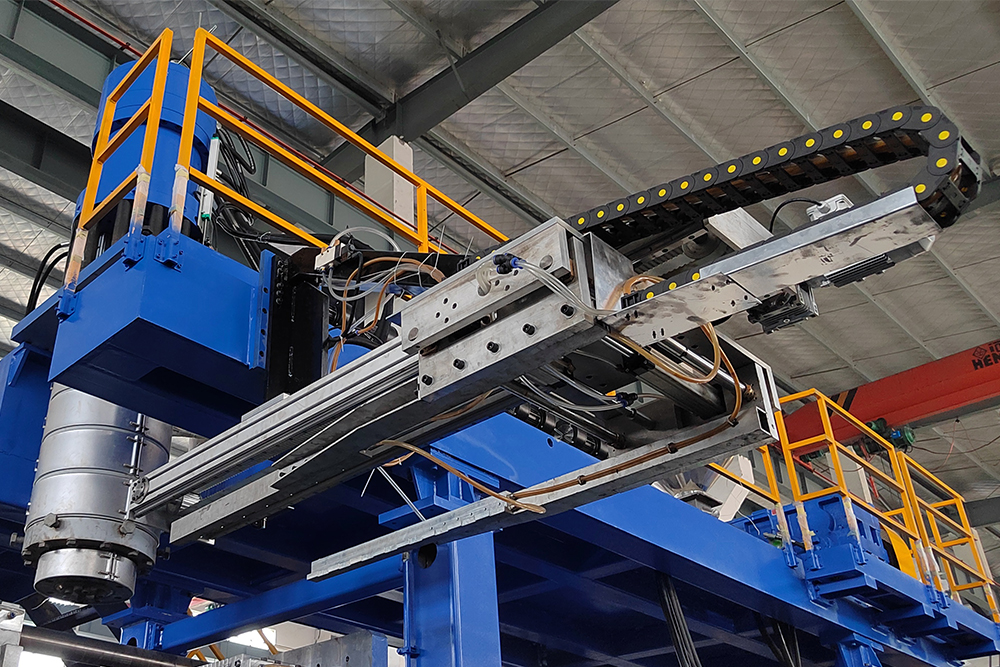
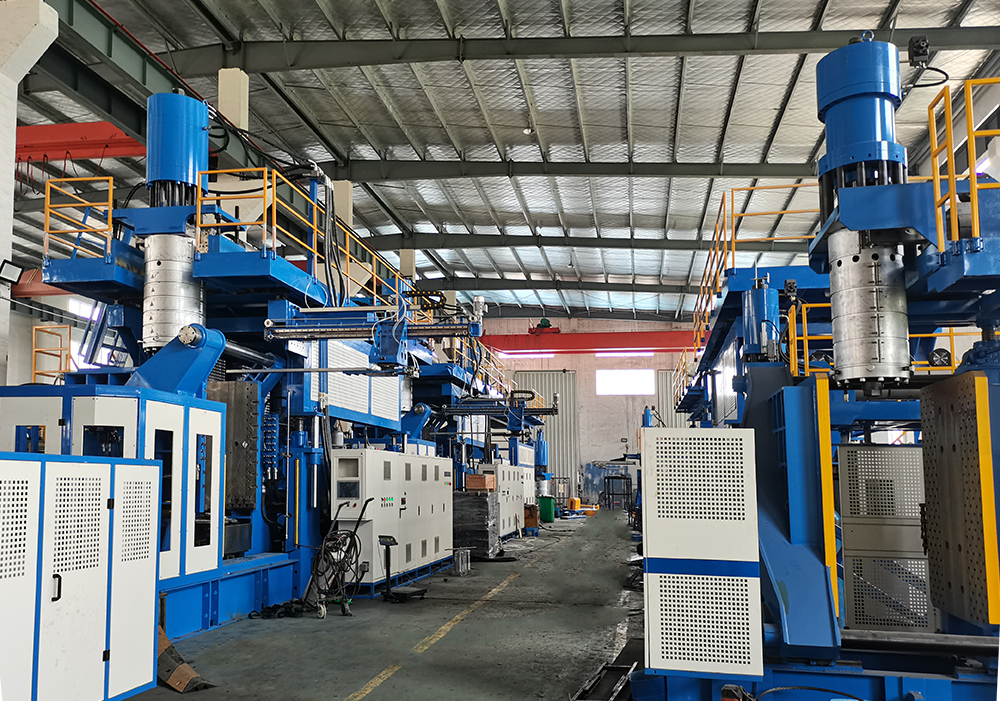
Choosing a 200L drum production line supplier China is not only about buying equipment. For overseas buyers, the project includes quotation clarification, technical confirmation, payment terms, production, factory testing, packing, shipping, customs documents, installation preparation, commissioning, training, spare parts, and long-term service. If these steps are not planned early, even a good machine can arrive before the factory is ready.
A professional China 220L drum blow molding machine manufacturer should help the buyer manage the project as a complete export process. The buyer should know what information is required, which responsibilities belong to the supplier, which preparations belong to the buyer, and how acceptance will be confirmed.
Clarify quotation scope before signing
The first risk in an export project is misunderstanding. A quotation may include the main blow molding machine but exclude mold, chiller, compressor, crusher, conveyors, trimming equipment, leak testing, installation, spare parts, or local electrical work. Buyers should request an itemized scope table.
Local labor, tools, lifting, accommodation if required
Days, cost, responsibilities
Spare parts
Standard package or optional list
Local storage and reorder planning
Recommended items for first year
Build a realistic export project timeline
Aturnkey 220L drum manufacturing plant has more steps than a single machine shipment. Factory layout, utility preparation, and operator assignment should start while the equipment is being manufactured. If the buyer waits until shipment to prepare the site, commissioning may be delayed.
Project Stage
Buyer Action
Supplier Action
Common Delay
Technical confirmation
Provide drawings, output, voltage, workshop data
Confirm machine scope and layout
Incomplete product information
Manufacturing period
Prepare civil work and utilities
Build machine, mold, and auxiliaries
Late approval of drawings
Factory testing
Review test plan and sample criteria
Run agreed trial and record results
Unclear acceptance standard
Shipping preparation
Arrange import documents and site schedule
Pack equipment and provide documents
Customs or documentation issue
Installation and training
Prepare labor, crane, tools, utilities
Guide installation and train team
Power, cooling, or air not ready
Factory preparation protects commissioning
Before a 220L drum full production line arrives, the buyer should complete foundation, power supply, cooling water, compressed air, drainage, ventilation, lifting access, material storage, and safe working space. A missing connection point can stop installation for days. The supplier should provide utility data early enough for local contractors.
Preparation Area checklist:
·Power: Buyer Should Confirm: Voltage, frequency, capacity, grounding; Why It Matters: Protects machine and welding equipment.
·Cooling water: Buyer Should Confirm: Temperature, flow, pipe route, water quality; Why It Matters: Controls cycle time and dimensional stability.
·Compressed air: Buyer Should Confirm: Pressure and flow at machine points; Why It Matters: Supports blowing and testing.
·Lifting equipment: Buyer Should Confirm: Crane or forklift capacity and path; Why It Matters: Required for unloading and mold handling.
·Workshop layout: Buyer Should Confirm: Doors, columns, storage, traffic route; Why It Matters: Prevents blocked movement after installation.
Acceptance testing should be written, not assumed
For a full automatic 220L plastic drum production line, acceptance testing should define product size, material, drum weight, running time, accepted output, leak testing method, sample inspection, and allowed adjustment. A short video is useful, but it should not replace a clear test standard. The buyer and supplier should agree on what successful production means.
Acceptance Item
Example Definition
Why It Helps
Product sample
Approved drum drawing or sample reference
Prevents dispute about target product
Material
Confirmed resin and color
Makes trial comparable to production
Output
Accepted drums during agreed test period
Measures real performance
Quality
Weight, visual appearance, leak test, dimensions
Confirms product usability
Records
Test report, photos, videos, settings
Supports installation and future operation
Quick note: Supplier responsibility should include - Clear scope, production schedule, technical documents, packing list, test plan, installation guidance, training, and spare-parts recommendation. Buyer responsibility should include - Product data, workshop preparation, utilities, local labor, lifting tools, customs work, operator assignment, and maintenance organization.
Long-term service begins before shipment
After installation, the factory will need spare parts, process support, maintenance routines, and operator training. Buyers should not wait for the first breakdown to discuss service. Ask for recommended spare parts for the first year, remote support channels, maintenance schedule, and documentation language.
Before selecting a 200L drum production line supplier China, buyers can request an export project schedule and send your installation country and workshop data. This allows the supplier to prepare a more realistic plan for production, shipment, installation, and ramp-up. A well-managed export project reduces surprises and helps the buyer reach stable drum production faster.
Suggested image layout: Opening - 220L drum line export project overview (ALT: 200L drum production line supplier China export project for industrial packaging); Timeline section - Project schedule infographic (ALT: turnkey 220L drum manufacturing plant project timeline from quotation to installation); Installation section - Machine installation or commissioning photo (ALT: China 220L drum blow molding machine manufacturer installation and training support).
Prepare spare parts before the first commercial order
Spare parts are often discussed late, but they should be planned before the equipment ships. A new drum factory cannot afford long downtime while waiting for small but critical parts. The supplier should recommend a first-year spare-parts package based on the machine configuration, local sourcing capability, and expected production intensity.
Spare-Part Group checklist:
·Electrical parts: Examples: Sensors, switches, relays, heating elements; Planning Reason: Common failure items should be available quickly.
·Hydraulic parts: Examples: Seals, filters, hoses, valves; Planning Reason: Protects movement and clamping stability.
·Pneumatic parts: Examples: Cylinders, fittings, air seals; Planning Reason: Supports transfer and testing functions.
·Mold and trimming wear parts: Examples: Knives, guide parts, seals; Planning Reason: Affects product finish and output.
When spare parts, manuals, and remote support are prepared in advance, the buyer can move from installation to stable production with less risk. This should be part of the export project discussion, not an emergency topic after a breakdown.
The buyer should also nominate an internal project owner. Export equipment projects involve purchasing, engineering, finance, import logistics, factory construction, production, and quality teams. If no one coordinates these departments, supplier instructions can be missed. A single project owner can track documents, site preparation, payment milestones, shipment timing, and installation readiness.
Internal Role checklist:
·Project owner: Main Responsibility: Coordinates buyer-side decisions and timeline; Why It Matters: Prevents scattered communication.
·Engineering lead: Main Responsibility: Checks layout, utilities, and installation tools; Why It Matters: Protects commissioning schedule.
·Production lead: Main Responsibility: Assigns operators and production plan; Why It Matters: Supports fast ramp-up.
·Quality lead: Main Responsibility: Confirms sample and acceptance criteria; Why It Matters: Avoids dispute about product qualification.
·Logistics lead: Main Responsibility: Handles import documents and delivery route; Why It Matters: Prevents shipment delay.